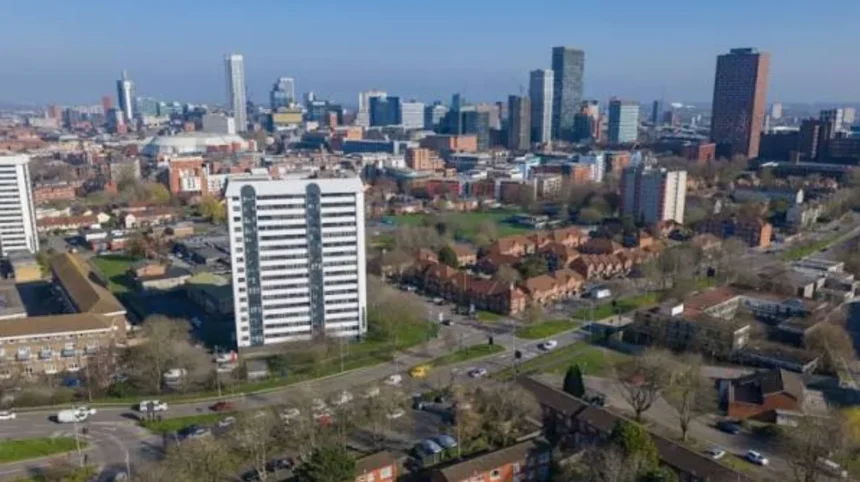
A £2.2 billion regeneration project promising thousands of new homes in Birmingham’s Ladywood neighbourhood has collapsed after Birmingham City Council and developer Berkeley St Joseph agreed to end their partnership.
The decision brings seven years of work on the ambitious development to an end, leaving residents facing fresh uncertainty over the future of their homes and the wider neighbourhood.
The project was intended to transform Ladywood through the construction of more than 10,000 new homes, improvements to existing social housing and investment in community facilities and infrastructure. Earlier plans also included a commitment for at least 20 per cent of the new homes to be affordable.
However, the council and developer said increased construction and regulatory costs, alongside a more challenging housing market and economic climate, had made the existing proposals financially unviable.
In a joint statement, the organisations said they had explored alternative ways to make the project deliverable but had been unable to agree on a viable development proposal.
Rather than continue with uncertainty and delays, both parties agreed that ending the partnership was the most constructive option.
Regeneration is not ending, says council
Despite the collapse of the partnership, Birmingham City Council has insisted that its commitment to regenerating Ladywood remains unchanged.
The council intends to begin a fresh consultation with residents to consider the future of the estate. It has also said that recommendations from the council’s scrutiny committee will be considered as part of the next steps.
Deputy council leader Julien Pritchard addressed residents’ concerns during the council’s cabinet meeting on Tuesday, 10 November.
He said:
“It’s not an abandonment of Ladywood. The council’s commitment to Ladywood and its community remains unchanged.”
He added that residents would be at the heart of future plans for the area.
The council has also acknowledged that the announcement will be disappointing for people who have spent years contributing to consultations and sharing their views on the proposed development.
What happens to residents now?
The end of the partnership raises important questions about what happens next for people living in Ladywood.
The original proposals had generated concerns among residents, particularly around the possibility of demolition, relocation and the future of existing social housing.
Some residents had previously raised concerns about the consultation process and the uncertainty surrounding their homes.
While the council has promised further engagement, no confirmed replacement masterplan or timetable for a new development has yet been announced.
The authority has maintained that delivering genuinely affordable homes remains a priority and that the future approach will need to be shaped by the community.
For residents, however, the immediate concern is likely to be what the change means for their homes, neighbourhood and long-term security.
After seven years of planning, the end of the partnership marks a significant setback for one of Birmingham’s most ambitious regeneration projects.
The council now faces the challenge of rebuilding residents’ confidence and demonstrating how its promises for Ladywood can be delivered.
For the people who call the neighbourhood home, the next stage will be measured not by another masterplan, but by whether their concerns translate into meaningful decisions.