Finding wheelchair-accessible public facilities in Birmingham requires using verified municipal databases, digital mapping applications, and physical accessibility audits. The Equality Act 2010 mandates that public venues provide reasonable adjustments, ensuring step-free access, wide doorways, tactile paving, and accessible restrooms across the city.
- What Are the Key Legal Standards for Public Accessibility in Birmingham?
- Which Public Transport Systems in Birmingham Offer Wheelchair Access?
- How Can You Locate Accessible Restrooms and Changing Places in Birmingham?
- What Are the Most Accessible Cultural and Heritage Sites in Birmingham?
- How do I get a Radar Key for accessible toilets in Birmingham?
- Are Birmingham buses fully wheelchair accessible for daily travel?
- Does Birmingham New Street Station offer free mobility assistance?
- Are historic attractions in Birmingham accessible to power wheelchair users?
- How do I locate Changing Places toilets with hoists in Birmingham center?
Birmingham is the second-largest city in the United Kingdom, spanning over two hundred and sixty-seven square kilometers. The metropolitan borough features a diverse infrastructure combining historic Victorian architecture with modern urban developments. Municipal planning policies enforce strict accessibility standards for public spaces, transport hubs, and civic buildings to accommodate citizens and visitors with mobility impairments.
Public accessibility in Birmingham evolved significantly following national legislative changes in the late twentieth century. The Chronically Sick and Disabled Persons Act 1970 marked the initial statutory effort to improve access to public buildings. Subsequent legislation, culminating in the Equality Act 2010, transformed legal requirements for local councils, business owners, and transport operators regarding physical infrastructure design.
Essential accessibility components of public facilities include physical ramps, automated sliding doors, passenger lifts, and sensory accommodations. Accessible toilets, often designed under the Changing Places standard, require a minimum space of twelve square meters alongside height-adjustable changing benches and ceiling track hoist systems. Public transport venues integrate level boarding platforms and dedicated wheelchair spaces to support independent travel.
The process of locating compliant facilities involves checking official accessibility registers, consulting municipal transport portals, and utilizing specialized navigational tools. Users evaluate venue profiles for specific metrics, such as door width dimensions exceeding eight hundred millimeters and the presence of dropped kerbs. Direct communication with venue management provides real-time confirmation regarding the operational status of lifts and equipment.
Major public locations in Birmingham demonstrate varying degrees of physical accessibility based on their construction era. New Street Station and the Library of Birmingham represent fully compliant modern facilities equipped with step-free entrances and tactile floor indicators. Historic locations like the Birmingham Museum and Art Gallery utilize retrofitted ramps and specialized passenger lifts to balance architectural preservation with physical access requirements.
Statistical data from transport authorities indicates that over ninety percent of Birmingham bus fleets feature low-floor access and manual ramps. The West Midlands Metro light rail system operates hundred percent step-free access across all active tram stops. Continuous municipal investments aim to resolve remaining infrastructure gaps, particularly within older public parks and heritage structures across the West Midlands urban area.
Improving physical access across Birmingham impacts civic participation, local economic growth, and public health outcomes. Accessible public facilities allow individuals with physical disabilities to engage fully in cultural, educational, and commercial activities. Future urban planning initiatives prioritize universal design principles, ensuring new infrastructure developments accommodate all mobility levels seamlessly from initial design phases.
What Are the Key Legal Standards for Public Accessibility in Birmingham?
Legal standards for public accessibility in Birmingham are governed primarily by the Equality Act 2010 and UK Building Regulations Part M. These laws mandate that service providers make reasonable physical adjustments to eliminate barriers, ensuring equal access to public buildings, transportation, and civic infrastructure for all individuals.
The legal framework governing physical accessibility in Birmingham operates within national United Kingdom legislation applied to local municipal authorities. Birmingham City Council enforces statutory compliance through local planning frameworks and building control inspections. Public authorities and private service providers must adhere to these legal benchmarks to prevent unlawful discrimination based on physical disability status.
Historical development of accessibility law began with localized building codes before unifying under national statutes in the late twentieth century. The Disability Discrimination Act 1995 established the initial legal requirement for service providers to alter physical features of premises. The consolidated Equality Act 2010 expanded these duties, enforcing a proactive responsibility to anticipate accessibility requirements across all public sectors.
Key structural components of these legal standards include mandatory minimum clearances for doorways, specific ramp gradients, and tactile surface requirements. Building Regulations Part M mandates that ramps must not exceed a slope ratio of one to twelve for short spans. Facilities must also provide accessible sanitary accommodation, clear directional signage, and visual contrast indicators on glazed doors and stair steps.
Mechanisms of enforcement involve planning permission reviews, public sector equality duties, and legal redress through civil courts. Local planning officers evaluate proposed architectural drawings against statutory access guidelines before granting construction approvals. Building control inspectors perform physical site evaluations during construction to confirm that installed features match authorized accessibility specifications.
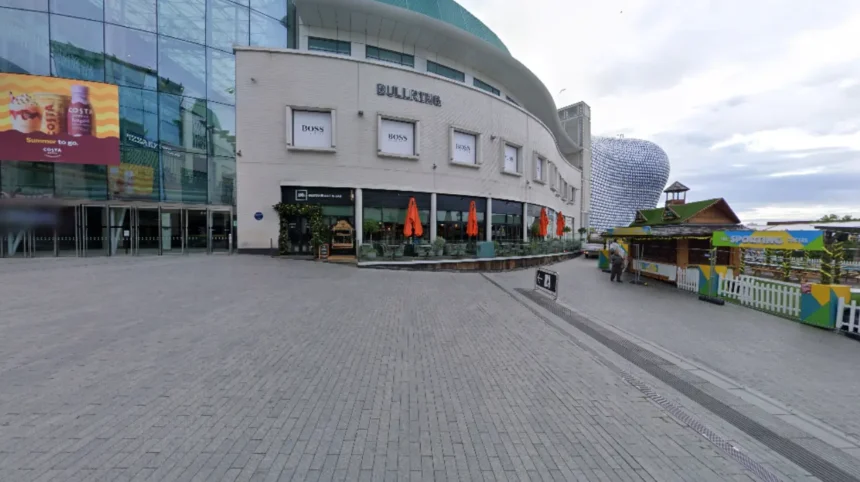
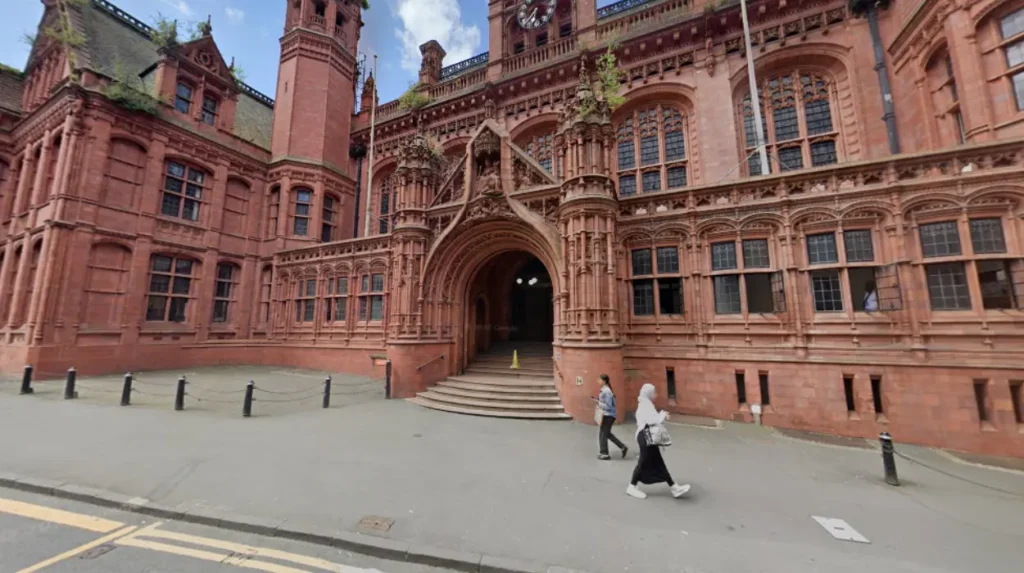
Real-world applications of these legal standards are visible across Birmingham commercial and civic centers. Shopping destinations like the Bullring and Grand Central integrated statutory physical access standards during their construction phases. Public sector buildings, including law courts and council offices, undergo regular accessibility audits to ensure physical modifications remain compliant with current legislative updates.
Data from regulatory filings demonstrates a steady increase in accessibility compliance across commercial developments built after 2010. Over ninety-five percent of newly approved public construction projects in Birmingham feature fully compliant step-free entry routes. Statutory compliance reduces legal liability for venue owners while establishing a baseline of physical access across the metropolitan area.
The broader implications of stringent accessibility laws extend to overall urban livability and social integration. Legal mandates compel property owners to consider physical access as a fundamental design requirement rather than an optional modification. As building codes continue to evolve, legal standards drive continuous improvements in inclusive architecture and public space design.
Which Public Transport Systems in Birmingham Offer Wheelchair Access?
Public transport systems in Birmingham, including New Street Station, West Midlands Metro, and National Express West Midlands buses, offer extensive wheelchair access. These systems feature low-floor boarding, automatic ramps, dedicated wheelchair bays, and step-free platform access verified through regional transport authorities.
The public transportation network in Birmingham serves over one million regional residents across an extensive grid of rail, bus, and light rail connections. Transport for West Midlands oversees network integration, ensuring mobility standards remain consistent across different transport modes. Accessible public transport enables independent navigation between commercial centers, residential neighborhoods, and regional healthcare hubs.
Transportation infrastructure in the West Midlands historically relied on high-step buses and multi-level rail stations lacking passenger lifts. Modernization efforts began in the early 2000s under regional transport fleet renewal initiatives. Investments replaced outdated rolling stock with accessible vehicles featuring low floors, electronic audio-visual announcements, and wider entry doorways.
Primary components of transport accessibility include physical boarding ramps, priority seating areas, and level access platforms. West Midlands Metro tram stops feature platforms built level with vehicle floors, allowing unassisted wheelchair entry. National Express West Midlands buses utilize hydraulic kneeling systems that lower the bus frame to kerb height, deploying a manual or electric boarding ramp.
The operational process for accessing public transit involves reviewing route accessibility maps and arriving at designated accessible stops. Passengers board via priority front doors where drivers deploy ramps or activate lowering mechanisms. On rail networks, passengers request assistance through the Passenger Assistance booking system or speak directly with station staff to deploy platform bridge plates.
Examples of major accessible transport hubs include Birmingham New Street, Snow Hill, and Moor Street stations. New Street Station operates multiple passenger lifts connecting the main concourse to all platform levels, supported by trained mobility assistance teams. Regional bus interchanges, such as those at Perry Barr and Sutton Coldfield, feature tactile paving networks and fully accessible waiting shelters.
Regional transport statistics confirm that one hundred percent of active West Midlands Metro trams are fully wheelchair accessible. National Express West Midlands operates over one thousand buses, all equipped with dedicated wheelchair bays measuring at least thirteen hundred millimeters by seven hundred and fifty millimeters. Rail stations across the Birmingham network maintain over eighty percent step-free access ratings.
Comprehensive transit accessibility enhances workforce participation and reduces reliance on private specialized transport services. Reliable public transit connections ensure individuals with mobility impairments reach employment, healthcare, and educational venues efficiently. Ongoing capital investments aim to achieve complete step-free access across all secondary rail stations in the West Midlands area.
How Can You Locate Accessible Restrooms and Changing Places in Birmingham?
Locating accessible restrooms and Changing Places facilities in Birmingham is accomplished using digital tracking applications, the AccessAble guide, and the National Key Scheme. These resources identify locations with radar key access, height-adjustable benches, ceiling hoists, and spacious layouts across public centers.
Accessible restrooms and Changing Places facilities provide essential sanitation infrastructure for individuals with complex physical disabilities. Standard accessible toilets offer basic space and grab rails, whereas Changing Places toilets provide specialized equipment for individuals requiring caregiver assistance. Birmingham maintains a network of these facilities within public council buildings, transport terminals, and commercial complexes.
The development of specialized sanitation facilities gained national momentum following the launch of the Changing Places campaign in 2006. Prior to this initiative, public restrooms lacked adequate space and lifting equipment, forcing many individuals to shorten their trips outdoors. Local government policies subsequently mandated the inclusion of Changing Places facilities in large-scale public developments.
Core structural features of Changing Places toilets include a central toilet, a height-adjustable adult changing bench, and a tracking hoist system. Room dimensions must measure at least three meters by twelve meters to accommodate wheelchairs and two assistance providers. Standard accessible restrooms require grab rails, emergency cords reaching to the floor, and lever-operated taps.
Locating these facilities involves using online databases such as the Great British Public Toilet Map and the official Changing Places register. Many standard accessible restrooms operate under the National Key Scheme, requiring a Radar Key for entry to prevent unauthorized access and vandalism. Users acquire these standardized keys through disability charities, local council offices, or authorized online distributors.
Prominent locations offering Changing Places facilities in Birmingham include the Library of Birmingham, the NEC Group venues, and the Bullring Shopping Centre. Additional installations exist at major transport hubs, including Birmingham New Street Station and Birmingham Airport. Public parks such as Cannon Hill Park feature accessible restroom installations near main visitor centers.
Current facility data shows Birmingham houses over thirty registered Changing Places locations within the metropolitan boundary. Hundreds of standard accessible toilets equipped with Radar Key access operate across civic buildings, libraries, and retail centers. Council initiatives mandate new public leisure developments include specialized sanitation options within initial architectural plans.
Access to adequate sanitation infrastructure directly dictates the spatial mobility and independence of individuals with severe physical disabilities. The availability of verified accessible restrooms removes significant barriers to public life, allowing extended visits to civic and cultural destinations. Continued expansion of Changing Places networks fosters equal participation in public activities across the region.
What Are the Most Accessible Cultural and Heritage Sites in Birmingham?
The most accessible cultural and heritage sites in Birmingham include the Library of Birmingham, Symphony Hall, and the Birmingham Museum and Art Gallery. These venues feature level access entrances, passenger lifts, sensory tours, and dedicated wheelchair seating spaces for visitors.
Birmingham features a rich cultural landscape comprising historic museums, concert venues, art galleries, and public libraries. Cultural institutions prioritize physical and sensory accessibility to serve diverse audiences across the West Midlands region. Accessibility provisions at these sites ensure equal participation in arts, historical exhibitions, and civic events.
Historical preservation legislation traditionally limited physical alterations to heritage structures, creating access challenges for older cultural venues. During the late twentieth and early twenty-first centuries, local authorities implemented architectural retrofitting strategies. Modern extensions and adaptive reuse projects successfully integrated physical accessibility mechanisms without compromising the structural integrity of historical assets.
Key structural features of accessible cultural sites include wide entrance doors, automated opening mechanisms, smooth floor surfaces, and accessible seating layouts. Symphony Hall features removable auditorium seating, providing designated wheelchair positions with unobstructed sightlines across multiple tier levels. Exhibition spaces utilize low-height display cases and wide aisles to accommodate motorized mobility devices.
Visitors navigate these cultural venues by reviewing online access guides prior to attendance or requesting assistance upon arrival. Most major cultural centers offer downloadable visual stories, floor plans detailing lift locations, and complimentary tickets for personal assistants. Staff members undergo disability awareness training to provide support, operate step lifts, and assist with emergency evacuation procedures.
Specific examples of accessible heritage sites include the Black Country Living Museum nearby and the Thinktank Birmingham Science Museum. The Thinktank facility features full step-free access across all display floors, accessible elevators, and tactile exhibit elements. Historic venues like the Town Hall utilize ramped secondary entrances and interior lifts to grant full access to historic auditorium spaces.
Auditing data confirms that major publicly funded cultural venues in Birmingham achieve over ninety percent physical accessibility compliance across main exhibition areas. Facilities offer complimentary companion seating policies, allowing assistant entry at no additional charge. Detailed venue profiles hosted on the AccessAble portal provide pre-visit verification of physical layout parameters.
Providing physical access to cultural and heritage sites fosters inclusive education, community cohesion, and cultural representation. Removing physical barriers allows all individuals to engage with regional history and artistic expressions on an equal basis. Continuous investments in adaptive architecture ensure historic cultural assets remain open to future generations regardless of physical mobility limitations.
How do I get a Radar Key for accessible toilets in Birmingham?
Radar Keys can be purchased online from the Disability Rights UK official store, local council offices, or authorized disability equipment providers. Many tourist information centers and large pharmacy chains across Birmingham also stock official Radar Keys. Having a valid key grants independent access to thousands of locked accessible toilets across the UK.
Are Birmingham buses fully wheelchair accessible for daily travel?
Yes, all National Express West Midlands buses feature low-floor entry decks, hydraulic kneeling systems, and deployable manual ramps. Each bus contains one dedicated wheelchair space located near the front entrance doors. Priority is legally given to wheelchair users over baby strollers for that specific bay.
Does Birmingham New Street Station offer free mobility assistance?
Birmingham New Street Station provides free Passenger Assistance services for travelers needing help navigating the station or boarding trains. Passengers can book assistance in advance via the National Rail Enquiries app or request immediate help at the station assistance desk. Staff provide wheelchair escorts, luggage support, and ramp deployment for train access.
Are historic attractions in Birmingham accessible to power wheelchair users?
Many historic attractions in Birmingham feature retrofitted ramp access, internal passenger elevators, and wide corridors suitable for power wheelchairs. Newer extensions to historic sites fully comply with modern physical access standards. Visitors should check specific venue access guides beforehand as some heritage structures have architectural limitations.
How do I locate Changing Places toilets with hoists in Birmingham center?
Changing Places facilities can be located using the official Changing Places online map or the AccessAble mobile app. Major downtown locations include the Library of Birmingham, Grand Central, and the Bullring Shopping Centre. These facilities contain height-adjustable changing tables, ceiling track hoists, and spacious room layouts.