Finding the best Birmingham area for your commute requires evaluating local rail connections, highway accessibility, bus routes, and peak travel times across suburban corridors to minimize daily travel delays effectively.
- Which Birmingham Neighborhoods Offer the Fastest Rail Access to the City Center?
- How Do Major Highway Networks Affect Driving Commutes in the Birmingham Area?
- What Public Bus Routes Provide Reliable Transit Across Suburban Birmingham?
- How Can You Choose the Best Commuter Area Based on Your Specific Work Location?
- What is the average commute time for people living in the Birmingham area?
- Is it better to commute by train or car into central Birmingham?
- Which Birmingham suburbs are best for commuting without owning a car?
- How does the West Midlands Clean Air Zone impact daily automobile commuters?
- What are the peak rush hours to avoid when commuting around Birmingham?
The Birmingham metropolitan region functions as a major commercial and industrial hub with over 1.1 million regional residents relying on multi-modal transport infrastructure daily.
Urban expansion across the West Midlands has created distinct residential zones connected by public transit networks and major motorways. Strategic neighborhood selection depends on analyzing travel distances, peak congestion times, and physical proximity to central business districts.
Commuters must evaluate local rail frequency, bus network density, and road capacity to optimize daily transit efficiency across surrounding residential boroughs.
Historically, Birmingham grew around manufacturing centers and railway intersections established during the Industrial Revolution throughout the nineteenth century. Early residential settlement patterns developed along radial tram routes and railway lines, creating self-contained suburbs like Edgbaston, Harborne, and Erdington.
The mid-twentieth century brought extensive motorway expansion, including the construction of the M6 motorway in 1971 and the iconic Gravelly Hill Interchange. Modern transport planning focuses on integrating rapid bus transit, suburban rail enhancements, and low-emission vehicular corridors to handle increasing passenger volumes.
The primary components of the regional transport network include heavy rail, light rail, local bus services, and strategic road networks. Heavy rail services operate via central stations including Birmingham New Street, Birmingham Snow Hill, and Birmingham Moor Street.
West Midlands Metro provides light rail service connecting Wolverhampton to the city center through key urban stops. National Express West Midlands manages over eighty percent of local bus journeys, serving areas lacking direct rail access. Major motorways including the M5, M6, M40, and M42 form an outer orbital system around urban neighborhoods.
The travel process begins with origin-destination mapping relative to primary employment hubs like Colmore Row, Paradise, or Solihull.
Commuters evaluate transit schedules, transfer requirements, and highway bottleneck points during the morning peak hours between 07:00 AM and 09:00 AM. Boarding local trains on lines such as the Cross-City Line provides direct access to city center terminals without road traffic interference.
Motorists utilize arterial roads like the A38, A456, and A34, accounting for variable traffic flow and seasonal congestion patterns.
Real-world commute options vary across surrounding residential districts. Residents in Solihull utilize direct rail services reaching Birmingham Moor Street in fifteen minutes. Commuters residing in Sutton Coldfield rely on the Cross-City Rail Line, offering four trains per hour into Birmingham New Street during peak hours. Harborne commuters rely predominantly on bus routes along the A456 corridor, taking approximately twenty-five minutes to reach central business hubs. Edgbaston offers proximity to central zones, allowing pedestrian or bicycle journeys under twenty minutes.
Transport data highlights significant usage patterns across the metropolitan region. Birmingham New Street accommodated 36.6 million passenger entries and exits during the 2024 to 2025 period, ranking among the busiest transport hubs outside London. Bus transit accounts for eighty-four percent of all public transport journeys across the West Midlands region.
Highways experience peak congestion between 07:00 AM and 07:29 AM, when fifteen point eight percent of road commuters start their daily travel. Road congestion adds approximately fifty-seven hours of delay per auto commuter annually across regional highway systems.
Selecting an optimal commute area directly influences daily quality of life, real estate value, and overall personal productivity. Reduced travel times decrease fuel expenditures and personal stress while supporting sustainable urban mobility goals. Future transport developments, including the Metro tram extensions and Sprint bus rapid transit corridors, continue to increase connectivity across suburban districts.
Homebuyers and renters who prioritize transport proximity preserve long-term property values and secure efficient daily travel options across expanding metropolitan markets.
Which Birmingham Neighborhoods Offer the Fastest Rail Access to the City Center?
Sutton Coldfield, Solihull, Bournville, and Moseley offer the fastest suburban rail connections to central Birmingham terminals, providing reliable train services with travel times under twenty minutes during peak business hours.
Suburban rail lines form the backbone of rapid passenger transit across the West Midlands urban area. The Cross-City Line connects northern districts like Sutton Coldfield and Four Oaks to southern areas like Bournville, Five Ways, and Selly Oak.
Trains on this line run every fifteen minutes, delivering passengers straight into Birmingham New Street Station. Commuters residing near these rail corridors avoid highway bottlenecks entirely during peak morning travel hours.
Solihull offers exceptional rail connectivity via the Chiltern Main Line and West Midlands Railway services operating from Solihull Station. Direct rail journeys from Solihull to Birmingham Moor Street take between twelve and fifteen minutes on regular express schedules.
Similarly, Olton and Shirley stations provide direct suburban services to Snow Hill Station, serving professionals working near the Colmore Commercial Quarter. High service frequency makes these eastern suburban locations ideal for rail-dependent commuters.
Southern suburbs including Bournville, Selly Oak, and Kings Norton benefit from immediate access to the University Station and New Street hubs. Rail travel from Bournville to New Street takes approximately twelve minutes, making it one of the fastest commute options in the region.
Upcoming station openings along the Camp Hill Line, including restored stations at Moseley, Kings Heath, and Stirchley, will further expand rapid rail capacity for southern commuters.
How Do Major Highway Networks Affect Driving Commutes in the Birmingham Area?
Major motorways including the M6, M5, M42, and M40 surrounding Birmingham facilitate regional travel but experience predictable peak-hour congestion, impacting driving travel times from outer suburban boroughs.
Driving commutes in the metropolitan region depend heavily on the strategic road network surrounding the urban center. The M6 motorway handles significant east-west regional traffic, intersecting with the M5 at Ray Hall Triangle and the M42 at Coleshill.
Motorists traveling from northern areas like Walsall or West Bromwich use the M6 to access central arterial highways like the A38 Expressway. Traffic volumes during peak morning hours reduce overall travel speeds across these interchange points.
The M42 motorway acts as a critical eastern orbital route, connecting Solihull, Marston Green, and the Birmingham Airport complex. Motorists commuting along the M42 encounter high congestion near Junction 6 and Junction 7 during morning rush periods between 07:30 AM and 08:30 AM.
Variable speed limit controls and smart motorway systems manage vehicle throughput, though accidents or lane closures create substantial travel delays for drivers.
Arterial routes including the A38, A456 Hagley Road, and A45 Coventry Road channel suburban vehicle traffic directly into central commercial zones. Commuters driving from western areas like Halesowen or Quinton utilize the A456 corridor, facing heavy signalized intersections along the route.
Average commuting delays on urban arterial streets contribute significantly to annual traffic lost time, making departure timing critical for automobile commuters.
What Public Bus Routes Provide Reliable Transit Across Suburban Birmingham?
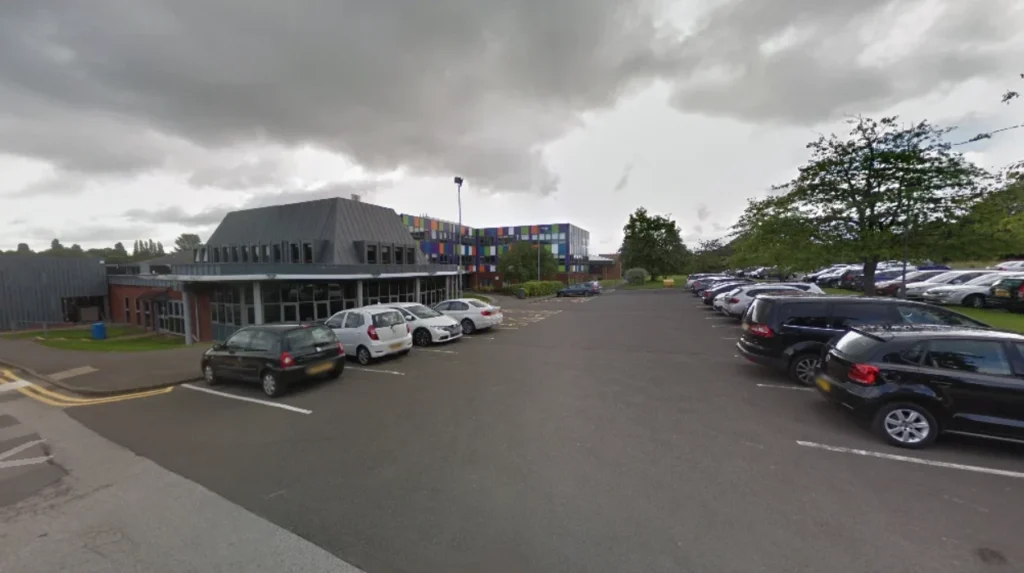
National Express West Midlands operates an extensive local bus network, providing frequent services along primary arterial corridors like Hagley Road, Bristol Road, and Coventry Road for suburban commuters.
Bus transit accounts for the majority of daily public transport journeys across the metropolitan footprint. National Express West Midlands operates over eighty percent of local bus routes, offering dedicated express services and frequent urban lines. High-frequency corridors feature bus buses arriving every six to ten minutes during morning peak periods. Dedicated bus lanes along primary roads help transit vehicles bypass general automobile congestion.
The A456 Hagley Road corridor features multiple bus services, including the 9, X8, and X10 routes connecting Stourbridge, Halesowen, and Bearwood to the city center. These services provide essential public transport for neighborhoods that lack direct suburban rail infrastructure. Passengers traveling from Bearwood reach central Birmingham in approximately twenty minutes using dedicated bus lanes along the main thoroughfare.
Southern and eastern bus routes along the A38 Bristol Road and A45 Coventry Road connect outer residential zones to central work districts. The 63 and 11 Outer Circle bus routes provide extensive coverage across outer suburbs, enabling cross-town commutes without passing through central train stations. Continuous investments in electric bus fleets and priority signaling continue to improve schedule reliability across suburban bus routes.
How Can You Choose the Best Commuter Area Based on Your Specific Work Location?
Selecting the best commuter area involves matching your destination workplace with direct transport routes, evaluating total travel time, analyzing parking availability, and reviewing annual public transport pass costs.
Workplace location serves as the primary factor when choosing a residential neighborhood in the Birmingham region. Professionals working in the Colmore Commercial Quarter benefit from living near Snow Hill or Moor Street rail corridors like Solihull, Shirley, or Dorridge. Employees based near the Paradise development or Brindleyplace benefit from living in western or southern suburbs with direct bus access along Hagley Road or Bristol Road.
Commuters working at outer employment hubs, such as the National Exhibition Centre, Birmingham Airport, or Jaguar Land Rover in Solihull, require different transport strategies. Living in eastern areas like Coleshill, Marston Green, or Bickenhill provides short driving or rail commutes to these suburban enterprise zones.
Aligning residential location directly with workplace geographic quadrant eliminates unnecessary cross-city travel through central congestion points.
Evaluating total travel costs represents a critical final step in selecting a commuter neighborhood. Annual rail passes, bus subscriptions, fuel costs, and central parking fees impact overall living expenses significantly. Commuters should calculate total portal-to-portal travel times, including walking and waiting times, rather than relying solely on nominal distance metrics when selecting their ideal suburb.
What is the average commute time for people living in the Birmingham area?
The average one-way commute time in the Birmingham area ranges between twenty and thirty minutes depending on transit mode and location. Rail commuters from inner suburbs often reach central terminals in under fifteen minutes. Automobile commuters traveling during peak morning rush hours experience longer travel times due to arterial highway congestion.
Is it better to commute by train or car into central Birmingham?
Commuting by train is generally faster and more reliable for reaching central Birmingham commercial districts during peak work hours. Central rail stations drop passengers directly near primary office quarters, avoiding central clean air zone charges and high parking fees. Automobile travel offers greater flexibility for suburban destinations but incurs daily traffic delays.
Which Birmingham suburbs are best for commuting without owning a car?
Bournville, Selly Oak, Sutton Coldfield, and Harborne offer excellent public transport infrastructure for car-free commuters. Bournville and Sutton Coldfield feature direct, high-frequency rail services straight into New Street Station. Harborne provides robust, frequent bus services along dedicated bus lanes, connecting residents to central work hubs quickly.
How does the West Midlands Clean Air Zone impact daily automobile commuters?
The West Midlands Clean Air Zone charges non-compliant high-emission vehicles driving within the A4540 Middleway ring road daily. Commuters driving older diesel or petrol cars into the central city must pay a daily charge or face automated enforcement fines. Many commuters switch to park-and-ride rail facilities or compliant vehicles to avoid these operational costs.
What are the peak rush hours to avoid when commuting around Birmingham?
Peak morning rush hours occur between 07:00 AM and 09:00 AM, with maximum traffic density recorded between 07:00 AM and 07:30 AM. Evening peak traffic builds between 04:30 PM and 06:30 PM across major motorways like the M6 and M42. Adjusting departure schedules outside these core windows reduces total travel time significantly.