The best Birmingham areas for commuters working across the Midlands offer direct rail links, fast motorway access, and high regional connectivity. Areas like Solihull, Sutton Coldfield, Lichfield, and Bromsgrove connect professionals to major economic hubs efficiently.
- Which Southern Birmingham Areas Provide the Fastest Access to Regional Employment Centers?
- How Do Northern Suburban Hubs Connect Commuters to Staffordshire and the Black Country?
- What Are the Top Commuter Options for Professionals Travelling East Toward Warwickshire?
- Which Budget-Friendly West Midlands Areas Deliver Fast Rail and Motorway Connections?
- What is the absolute fastest commuter train route into central Birmingham?
- Which Birmingham commuter town offers the best balance of top-rated schools and low crime?
- Is it cheaper to commute by train or car from Warwickshire into Birmingham?
- How does the M6 Toll impact daily road commutes for northern West Midlands residents?
- What are the best commuter towns for professionals working in both Birmingham and London?
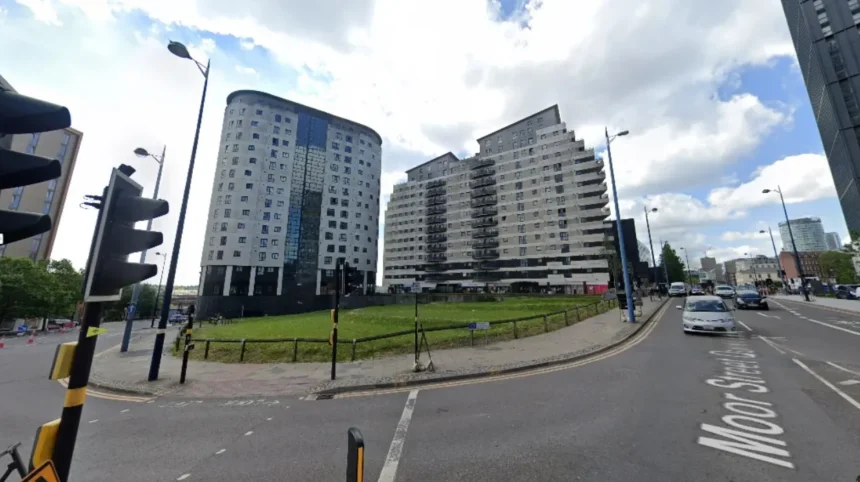
Selecting a residential location around Birmingham requires balancing transit efficiency and suburban living standards. The West Midlands region contains three main rail stations in central Birmingham, including New Street station, Snow Hill station, and Moor Street station.
The road infrastructure relies on major arterial corridors including the M6 motorway, the M42 motorway, and the M5 motorway. Commuters traveling across the broader Midlands region must evaluate rail journey durations, road traffic congestion levels, average residential property prices, and local amenity access.
The development of the West Midlands transport network traces back to nineteenth century industrial expansion. The London and Birmingham Railway opened in 1838, establishing central England as an essential rail hub.
Post-war urban planning in the mid-twentieth century introduced major road networks, including the construction of the Gravelly Hill Interchange, commonly known as Spaghetti Junction, in 1972. Modern transport infrastructure continues to evolve through local tram expansions and regional rail electrification projects.
Key components of the Midlands commuter system include heavy rail lines, motorways, and light rail systems. The Cross-City Line provides northern and southern passenger rail transit through central Birmingham.
The Chiltern Main Line connects eastern commuter hubs directly to London Marylebone and central Birmingham. Strategic motorway corridors like the M42 motorway form a beltway around Solihull, enabling rapid road access to the East Midlands and South Midlands employment zones.
The commute process relies on multi-modal travel routes connecting suburban residential zones to commercial districts. Passengers board West Midlands Railway or Chiltern Railways services for direct transit into city termini.
Motorists utilize major trunk roads like the A38 road, the A45 road, and the A456 road to reach interstate highway networks. Integrated ticketing systems allow seamless transfers between bus, tram, and train services across county borders.
Real-world examples demonstrate how specific commuter suburbs cater to different workplace destinations. Solihull offers a 9-minute train journey to Birmingham Moor Street alongside direct motorway access to Coventry and Warwickshire via the M42 motorway.
Sutton Coldfield provides direct Cross-City Line rail services to Birmingham New Street within 14 minutes, connecting northern commuters to Staffordshire. Bromsgrove allows southern commuters to access Worcestershire and Gloucestershire via the M5 motorway corridor.
Data indicates substantial variance in property values and transit times across primary commuter corridors. Solihull features average residential property prices near £417,000, supported by high-performing schools and rapid rail transit.
Sutton Coldfield records average house prices around £350,000, offering access to Sutton Park. Lichfield presents average property values around £363,000 with a 22-minute rail commute, whereas Tamworth offers entry prices around £230,000 with a 20-minute direct train service.
Evaluating these transport corridors provides lasting clarity for professionals navigating the regional employment market. Choosing an strategically located commuter suburb reduces daily travel times, lowers overall transport expenses, and stabilizes long-term property investments.
As corporate employers adopt hybrid working models across the Midlands, residential proximity to multi-modal transit networks remains a primary factor in housing selection.
Read More: For a deeper look at suburban market trends, explore our guide on evaluating West Midlands property growth corridors.
Which Southern Birmingham Areas Provide the Fastest Access to Regional Employment Centers?
Solihull and Bromsgrove serve as the leading southern commuter hubs near Birmingham. They offer direct rail links via Chiltern Railways and Cross-City services alongside immediate access to the M42 motorway and M5 motorway networks.
Solihull sits eight miles southeast of central Birmingham, functioning as a primary commercial and residential center. The area benefits from Birmingham Moor Street train connections that complete journeys in 9 minutes.
Direct road links via the M42 motorway connect residents to Birmingham Airport, the National Exhibition Centre, and the M1 motorway toward the East Midlands. Average property prices in Solihull reflect its high demand, standing at approximately £417,000.
The borough contains highly rated educational institutions, including Tudor Grange Academy and Arden Academy. The Touchwood Shopping Centre provides extensive retail and leisure facilities across a 650,000-square-foot footprint.
Housing inventory consists of detached family homes, semi-detached suburban residences, and modern apartment complexes. The area attracts corporate executives, tech professionals, and healthcare workers employed across Solihull and central Birmingham.
Bromsgrove lies southwest of Birmingham in northern Worcestershire, offering a strategic location for southern commuters. Bromsgrove railway station sits on the Cross-City Line, providing electric train services to Birmingham New Street in 25 minutes. Motorists access the M5 motorway at Junction 4 and the M42 motorway at Junction 1, enabling road commutes to Worcester, Cheltenham, and Bristol. Average residential property prices in Bromsgrove sit near £310,000.
The town features historic market-town architecture alongside modern housing developments. Local education centers include South Bromsgrove High School and Bromsgrove School, an independent boarding establishment founded in 1553.
Green space access includes the Clent Hills and the Lickey Hills Country Park, located within four miles of the town center. The geographic position provides balanced access between West Midlands industrial centers and South West employment corridors.
Redditch is located 15 miles south of Birmingham, providing an affordable alternative for southern commuters. The town serves as the southern terminus of the Cross-City Line, offering 40-minute rail journeys to central Birmingham.
Drive times to the M42 motorway average ten minutes via the A441 road corridor. Average property prices in Redditch sit around £263,000, providing lower entry costs for first-time buyers and growing families.
The urban plan of Redditch incorporates designated pedestrian pathways and segregated bus routes constructed during its new town expansion in 1964. Arrow Valley Country Park covers 900 acres in the center of the town, featuring a 27-acre lake.
Commercial centers like the Kingfisher Shopping Centre provide centralized retail amenities. Transport links support daily commutes toward Solihull, Worcester, and the southern Birmingham commercial zones.
Choosing between southern commuter hubs depends on budget, school catchments, and specific road travel requirements. Solihull offers the fastest overall train transit times but requires higher capital expenditure for property purchases. Bromsgrove balances regional road connectivity with moderate housing costs and rural countryside proximity. Redditch provides maximum square footage per pound spent while maintaining direct rail access to central business districts.
Related Article: Compare regional housing metrics by reading our breakdown of Worcestershire versus West Midlands commuter tax brackets.
How Do Northern Suburban Hubs Connect Commuters to Staffordshire and the Black Country?
Sutton Coldfield and Lichfield lead northern Birmingham commuter routes. They deliver direct train travel on the Cross-City Line to Birmingham New Street while providing fast road routes via the A38 road, A5 road, and M6 Toll.
Sutton Coldfield is a royal town located eight miles northeast of central Birmingham. Sutton Coldfield railway station delivers 14-minute train journeys to Birmingham New Street on the Cross-City Line.
Road connections rely on the A38 road and the A5127 road, with direct access to the M6 Toll at Junction T3. Average house prices in Sutton Coldfield stand at approximately £350,000 across its various suburban neighborhoods.
The region contains Sutton Park, a 2,400-acre National Nature Reserve featuring ancient woodlands, lakes, and heathland. School options include Bishop Vesey’s Grammar School and Sutton Coldfield Grammar School for Girls, both rated highly for academic performance. Neighborhoods like Four Oaks, Boldmere, and Walmley offer diverse housing options ranging from Victorian villas to mid-century modern family residences.
Lichfield is a cathedral city situated 16 miles north of central Birmingham in Staffordshire. Lichfield City station and Lichfield Trent Valley station provide dual rail coverage for local and intercity commuters.
Services to Birmingham New Street take 22 minutes via West Midlands Railway, while London Euston is reachable in 75 minutes via Avanti West Coast services. Average residential property values in Lichfield sit around £363,000.
The city infrastructure centers on historic culture, featuring the three-spired Lichfield Cathedral built between 1195 and 1330. Road networks link directly to the A38 road, facilitating car travel northbound to Derby and southbound to Birmingham.
Local schooling options include King Edward VI School and The Friary School. The area appeals to professionals seeking historic small-city living combined with direct capital and regional transit routes.
Tamworth sits 14 miles northeast of Birmingham along the River Tame in Staffordshire. Tamworth railway station operates as a key junction between the West Coast Main Line and the Cross Country Route, enabling direct train commutes to Birmingham New Street in 20 minutes.
Major road connections include the A5 road and the M42 motorway. Average residential property prices in Tamworth sit near £230,000, making it one of the most cost-effective northern hubs.
The town features Tamworth Castle, a preserved Norman fortress, and the Ventura Retail Park, which serves as a major regional shopping destination. Residential areas like Wilnecote, Bolehall, and Amington offer affordable housing stock built primarily in the late twentieth century. Transport routes allow convenient daily travel to Birmingham, Nottingham, Derby, and Leicester.
Evaluating northern suburbs reveals key trade-offs between city proximity, historic character, and financial affordability. Sutton Coldfield provides immediate access to central Birmingham and extensive green space at a higher price point.
Lichfield combines heritage architecture with multi-city rail access into Staffordshire and London. Tamworth delivers lower property costs and exceptional cross-country rail connections for workers moving across multiple Midlands counties.
What Are the Top Commuter Options for Professionals Travelling East Toward Warwickshire?
Leamington Spa, Warwick, and Rugby represent the top eastern commuter locations. They offer fast Chiltern Railways and Avanti West Coast rail lines to Birmingham alongside direct driving routes via the A45 road and M40 motorway.
Royal Leamington Spa is located 25 miles southeast of Birmingham in Warwickshire. Rail services operated by Chiltern Railways and CrossCountry connect Leamington Spa station to Birmingham Moor Street and Birmingham New Street in 25 to 30 minutes.
Motorists utilize the M40 motorway at Junction 13 and Junction 14 for direct driving routes to London and Oxford. Average house prices in Leamington Spa stand at approximately £375,000.
The town is known for Regency architecture, wide boulevards, and landscaped public spaces like Jephson Gardens along the River Leam. Leamington Spa has developed a major digital gaming industry cluster, often referred to as Silicon Spa, employing thousands of software developers.
Schooling options include North Leamington School and Trinity Catholic School. The town attracts young professionals, tech workers, and commuters seeking vibrant cultural amenities.
Warwick borders Leamington Spa immediately to the west, serving as the county town of Warwickshire. Warwick railway station and Warwick Parkway station provide direct train services to Birmingham Moor Street within 30 to 33 minutes.
The A46 road bypass connects the town directly to Coventry, Stratford-upon-Avon, and the M40 motorway network. Average property values in Warwick sit at approximately £400,000.
The town features Warwick Castle, founded by William the Conqueror in 1068, alongside medieval streetscapes and independent retail businesses. Educational institutions include The Warwick School, founded in 914 AD, and King’s High School. Proximity to the University of Warwick in nearby Coventry makes the area popular among academic staff, researchers, and corporate engineers.
Rugby lies 30 miles east of Birmingham near the eastern border of Warwickshire. Rugby railway station sits on the West Coast Main Line, delivering high-speed Avanti West Coast train services to Birmingham New Street in 22 minutes and London Euston in 50 minutes. Road connections include the M1 motorway, M6 motorway, and A45 road. Average residential property prices in Rugby sit at approximately £275,000.
The town is internationally recognized as the birthplace of rugby football, established at Rugby School in 1823. Recent urban growth includes large residential developments at Houlton, which added thousands of modern family homes alongside new primary and secondary schools. The area serves as a major logistics and distribution hub due to its location within the UK golden triangle for freight distribution.
Selecting an eastern commuter hub involves balancing architectural character, industrial employment hubs, and high-speed transit infrastructure. Leamington Spa offers high lifestyle value and a thriving local digital economy alongside steady rail links.
Warwick provides historic surroundings and rapid university access at higher property acquisition costs. Rugby yields faster rail travel times to both Birmingham and London while maintaining accessible housing market entry points.
Which Budget-Friendly West Midlands Areas Deliver Fast Rail and Motorway Connections?
Walsall, Wolverhampton, and Coventry offer the most budget-friendly commuter options near Birmingham. Average house prices remain below £235,000, paired with sub-22-minute rail journeys via West Midlands Railway and Avanti West Coast.
Walsall is located nine miles northwest of central Birmingham in the Black Country. Walsall railway station provides direct train journeys to Birmingham New Street in 15 minutes via West Midlands Railway services. Road transit relies on the M6 motorway, accessible via Junction 9 and Junction 10. Average property prices in Walsall stand at approximately £210,000, representing one of the lowest entry points in the county.
The town is undergoing urban renewal through projects like the £450 million Walsall Riverside development scheme. Cultural facilities include the New Art Gallery Walsall, which houses prestigious modern art collections. Residential zones like Rushall, Aldridge, and Pelsall provide varied suburban housing options. The area appeals to budget-conscious commuters needing rapid access to central Birmingham commercial zones.
Wolverhampton is a major city situated 12 miles northwest of central Birmingham. Wolverhampton railway station operates frequent rail services to Birmingham New Street, taking 17 minutes on express passenger trains. The West Midlands Metro tram line offers alternative light rail connections through Bilston and Wednesbury. Average house prices in Wolverhampton average £190,000 across urban and suburban postcodes.
The city contains educational facilities such as the University of Wolverhampton and Wolverhampton Grammar School, established in 1512. Public parks include West Park, a 43-acre Victorian park featuring a boating lake and conservatory.
Modern industrial parks along the I54 business corridor house manufacturing facilities like the Jaguar Land Rover Engine Manufacturing Centre, driving local employment alongside commuter links.
Coventry is located 19 miles east of Birmingham, functioning as the second-largest city in the West Midlands region. Coventry railway station delivers high-speed Avanti West Coast and London Northwestern Railway services to Birmingham New Street in 22 minutes.
Road connections include the A45 road and A46 road, linking directly to the M6 motorway and M42 motorway. Average residential house prices in Coventry sit at approximately £215,000.
The city features historical landmarks such as the Coventry Cathedral ruins and the modern Coventry Cathedral consecrated in 1962. Higher education centers include Coventry University and the nearby University of Warwick.
Urban regeneration schemes like the Friargate business district near the main railway station continue to expand office space and modern residential apartments.
Evaluating budget-friendly commuter locations requires analyzing local regeneration, transit frequency, and street-level neighborhood variations. Walsall offers the fastest sub-£220,000 train commute directly into central Birmingham.
Wolverhampton provides dual light rail and heavy rail options alongside strong local manufacturing employers. Coventry supplies rapid intercity rail connections and extensive university-driven economic growth.
What is the absolute fastest commuter train route into central Birmingham?
Solihull offers the fastest overall train commute into central Birmingham. Chiltern Railways operates direct services from Solihull railway station to Birmingham Moor Street with average journey times of just eight to nine minutes.
Which Birmingham commuter town offers the best balance of top-rated schools and low crime?
Solihull and Sutton Coldfield provide the highest concentrations of Ofsted-rated Good and Outstanding schools alongside low recorded crime statistics. Both areas feature grammar school options and extensive suburban parklands for resident families.
Is it cheaper to commute by train or car from Warwickshire into Birmingham?
Rail commuting is generally more cost-effective from Warwickshire when accounting for central Birmingham parking charges and Clean Air Zone fees. Annual season tickets on Chiltern Railways or West Midlands Railway avoid urban road congestion delays.
How does the M6 Toll impact daily road commutes for northern West Midlands residents?
The M6 Toll allows drivers in Lichfield, Sutton Coldfield, and Tamworth to bypass heavy congestion around the main M6 motorway junctions. It significantly reduces travel times during peak morning and evening commuting hours for a set toll fee.
What are the best commuter towns for professionals working in both Birmingham and London?
Rugby and Coventry offer the best dual-city commuting conditions. Express Avanti West Coast services reach Birmingham New Street in approximately 22 minutes and London Euston in 50 to 60 minutes from these key rail stations.