Key Points
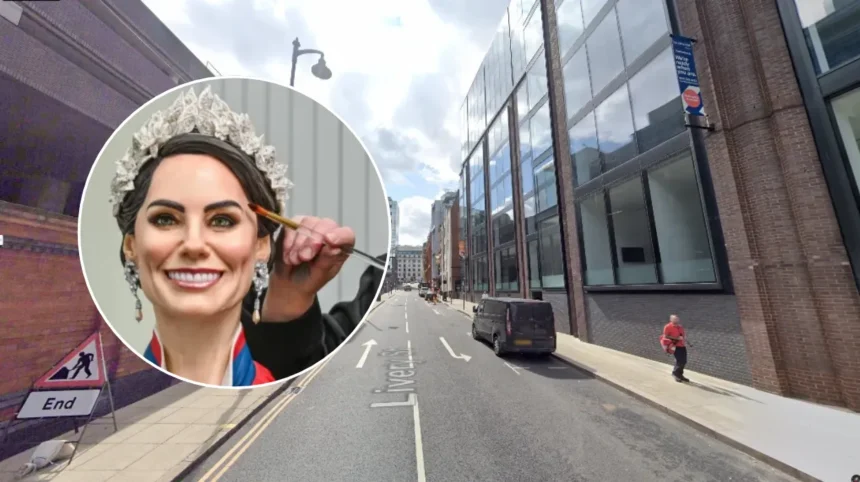
- Cake artist Emma Jayne Morris has built a life-size edible sculpture of Catherine, Princess of Wales, for an upcoming exhibition in the West Midlands.
- Construction of the figure required 50kg of sugarpaste, 2kg of modelling chocolate, Rice Krispies, marshmallows, and hand-applied edible rainbow dust sparkles.
- Visitors can see the completed head and the full-body display at the Cake International event at Birmingham’s National Exhibition Centre (NEC).
- Morris worked on the head and facial features for two weeks, at one point cutting off and re-sculpting the entire face to get the likeness right.
- The completed display will allow attendees to stand next to the full-scale royal figure during the event.
Birmingham (Birmingham Express) October 15, 2026 – A full-scale, life-like cake sculpture depicting Catherine, Princess of Wales, is scheduled to go on public display at the upcoming Cake International exhibition held at the National Exhibition Centre (NEC) in Birmingham.
- Key Points
- How Was the Kate Middleton Cake Sculpture Constructed?
- What Challenges Did Cake Artist Emma Jayne Morris Face During Construction?
- Why Was the Princess of Wales Chosen for the Birmingham Exhibition?
- Background of the Particular Development
- Prediction: How This Development Can Affect Cake Artists and Event Attendees
The edible artwork has been designed and constructed by 56-year-old cake artist Emma Jayne Morris, who dedicated a fortnight to crafting the intricate facial features and structure of the Royal Family member.
The installation will feature prominently at the Birmingham NEC showcase, which is set to open its doors to baking enthusiasts and international visitors from November 6.
How Was the Kate Middleton Cake Sculpture Constructed?
The creation of the life-size royal figure involved complex sculpting techniques and a substantial quantity of baking materials.
The internal base structure of the Princess of Wales’ head was constructed using a mixture of Rice Krispies and melted marshmallows to establish a durable framework.
Following the initial structural formation, 2kg of specialised modelling chocolate was sculpted over the base to define the contours of the facial features, including the chin, cheeks, and nose.
To achieve the finished texture and visual detail, approximately 50kg of sugarpaste was layered over the structure, with individual elements such as the headpiece, earrings, and hairstyle crafted meticulously by hand.
The finishing touches involved the application of edible rainbow dust sparkles to highlight specific facial highlights and decorative elements.
What Challenges Did Cake Artist Emma Jayne Morris Face During Construction?
As reported by SWNS journalist Sarah Lumley, cake artist Emma Jayne Morris explained that the process required extensive rebuilding to achieve an exact likeness of Catherine, Princess of Wales.
“Because I wanted to get like this likeness her nose came off twice as I wasn’t happy with it. I got to the point where I wasn’t happy at all so I cut the whole of the front of her face off. So this one has been a particular work of love because I wanted to get it exactly right.”
The artist detailed that structural builds of this scale do not always proceed according to initial plans, necessitating drastic adjustments during the assembly phase.
Every aspect of the sculpture, from the complex hair styling to the intricate jewellery pieces, was produced entirely by hand without relying on pre-formed moulds.
Why Was the Princess of Wales Chosen for the Birmingham Exhibition?
As reported by Birmingham Now reporter Alexander Brock, Emma Jayne Morris stated that her motivation stemmed from a long-standing fascination with crafting historical and royal figures.
“I chose Kate because I have loved making the royals over the years. From Tutankhamun, King Charles and Queen Elizabeth, it’s been fascinating learning about the subjects and the lives they lead plus giving the visitors a chance to stand beside historical figures and our Royal family.”
The cake artist added that royal figures remain immensely popular among the public, noting that the exhibition will provide visitors with a unique photographic opportunity alongside a detailed royal depiction.
Ms Morris confirmed that while the head section was fully completed in advance, work continues on assembling the remaining body structure to complete the full-length sculpture in time for the opening date.
Background of the Particular Development
Cake International at the Birmingham NEC is widely recognised as one of the world’s premier cake decorating and sugarcraft competitions, attracting thousands of international cake artists, industry vendors, and visitors annually.
Over recent years, the showcase has become renowned for feature displays that replicate high-profile figures from popular culture, history, and the British Monarchy using purely edible media.
Sculpting figures from sugarpaste and modelling chocolate presents distinct engineering challenges, including thermal sensitivity, structural weight management, and maintaining balance without traditional internal support frames collapse.
Royal subjects have consistently served as a central theme for high-profile exhibits at the Birmingham event, following past sugarcraft iterations of Queen Elizabeth II and King Charles III during significant national milestones.
Prediction: How This Development Can Affect Cake Artists and Event Attendees
The unveiling of the life-size Princess of Wales sculpture is expected to generate increased public engagement and footfall for the Cake International event at the Birmingham NEC.
For attending visitors and baking enthusiasts, the display provides a direct benchmark for the capabilities of modern sugarcraft and large-scale edible sculpting, offering an interactive visual display.
For professional cake artists and sugarcraft competitors, the technical execution—specifically the use of multi-medium foundations like cereal mixtures paired with modelling chocolate—serves as a practical demonstration of structural problem-solving in competitive baking.
Additionally, the media attention surrounding royal-themed edible art often drives heightened public interest in specialized baking exhibitions, potentially boosting ticket sales and commercial vendor participation across the national culinary event sector.