Birmingham cultural neighbourhoods represent distinct geographic districts defined by specialized historical industrial heritage, concentrated artistic output, diverse multi-ethnic populations, and vibrant independent commercial ecosystems that collectively form the central economic and creative backbone of the West Midlands region.
- Why Is the Jewellery Quarter Historic and Culturally Significant?
- How Has Digbeth Evolved Into Birmingham Creative Hub?
- What Cultural Experiences Define Southside and Chinatown District?
- How Does Kings Heath Offer a Bohemian Suburban Cultural Identity?
- How Can Visitors Plan an Efficient Tour of These Districts?
- What is the most famous neighbourhood to visit in Birmingham?
- How do you get to Digbeth from Birmingham New Street Station?
- Are Birmingham cultural neighbourhoods safe for tourists to walk around?
- What is the best neighborhood in Birmingham for independent food and drink?
- Can you walk between all of Birmingham cultural neighbourhoods easily?
Birmingham cultural neighbourhoods maintain distinct industrial and spatial identities derived from the expansion of eighteenth-century manufacturing hubs across England. The city features specialized enclaves such as the Jewellery Quarter, Digbeth, Southside, and Kings Heath, each serving specific artistic, social, and commercial roles.
The Jewellery Quarter produces forty percent of all British jewellery output and holds over five hundred individual trade businesses across a one-square-kilometer boundary. Digbeth functions as a primary digital and creative media post-industrial zone centered around converted Victorian manufacturing facilities like the Custard Factory. Southside operates as the designated LGBTQ+ inclusive district, theater quarter, and historic Chinatown enclave of the urban center.
Kings Heath provides a residential bohemian community base anchored by live music venues, independent retail streets, and community-led park spaces. According to official census data, Birmingham contains over one million residents, making these urban quarters crucial for localized economic sustainability and regional tourism growth.
The preservation of historic brick architecture alongside modern residential developments guarantees that these districts maintain high structural character and functional urban density. Exploring these areas allows visitors to trace the industrial transition from early Victorian manufacturing dominance to modern digital design, performing arts, and culinary innovation.
Why Is the Jewellery Quarter Historic and Culturally Significant?
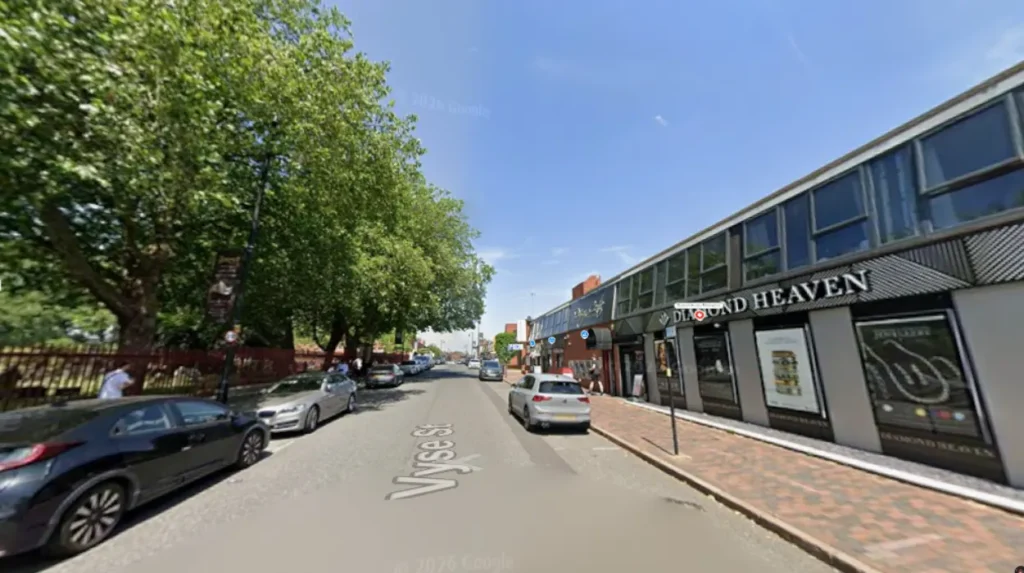
The Jewellery Quarter contains Europe’s largest concentration of jewellery businesses, producing forty percent of the UK’s annual jewellery output from historic Victorian workshops that have operated continuously since the mid-eighteenth century industrial expansion.
The Jewellery Quarter grew rapidly following the passage of the Colmore Estate Act in 1746, which converted open land into urban development parcels. By the nineteenth century, thousands of specialized craftspeople worked within small-scale workshops, known locally as “shopping,” built directly behind residential townhouses.
The district includes St. Paul’s Square, which stands as the last remaining Georgian square in Birmingham, centered around a Grade I listed church completed in 1779. The Assay Office, established by an Act of Parliament in 1773, hall-marks millions of gold, silver, and platinum items each year to verify metal purity.
The Museum of the Jewellery Quarter preserves a intact manufacturing shop floor left untouched since its sudden closure in 1981. Over two hundred listed buildings define the architectural boundaries of Vyse Street, Frederick Street, and Warstone Lane. Visitors access the district via the Jewellery Quarter Station, which connects rail and tram transit networks to Birmingham New Street within three minutes.
The economic concentration of independent goldsmiths, gemmologists, and silversmiths creates an urban environment where traditional manual craft thrives alongside modern design studios. The district proves how targeted heritage conservation can protect original industrial architecture while supporting thousands of skilled trade jobs.
How Has Digbeth Evolved Into Birmingham Creative Hub?
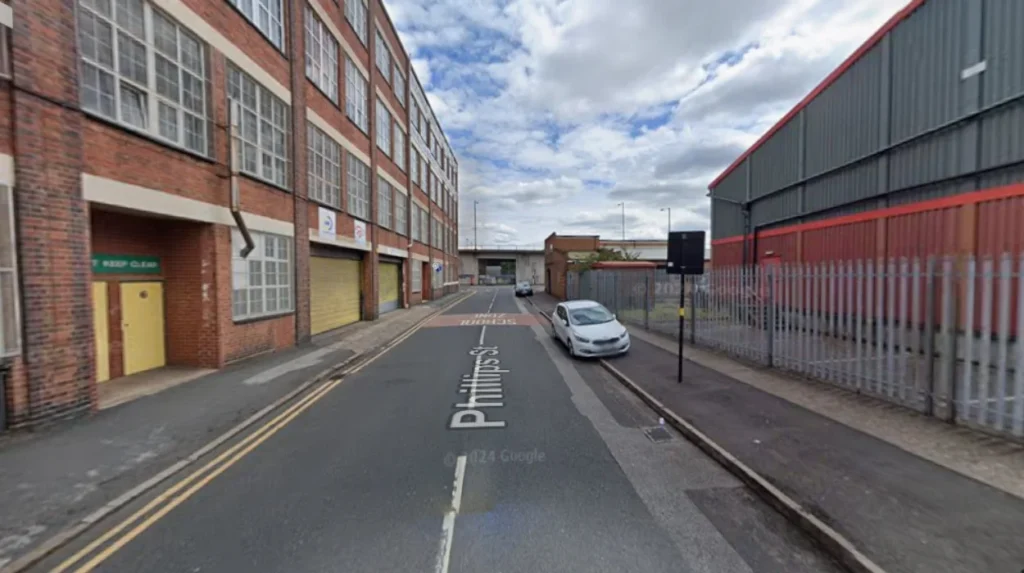
Digbeth evolved from an eighteenth-century industrial canal hub into Birmingham’s primary creative quarter through the structural conversion of derelict Victorian factories into independent digital studios, music venues, and street art galleries.
Digbeth initially developed along the River Rea and the Grand Union Canal system, housing manufacturing plants like the Alfie Birds Custard Factory established in 1902. Industrial decline during the late twentieth century left vast brick warehouses empty, attracting independent artists, digital media agencies, and alternative music promoters seeking low-cost studio spaces.
The transformation gained momentum with the redevelopment of the Custard Factory into a fifteen-acre creative estate containing over one hundred small businesses. Street art murals cover brick elevations across Floodgate Street, Gibs Street, and Heath Mill Lane, making Digbeth an open-air public art installation.
The district hosts key cultural facilities, including the Mockingbird Cinema, the Night Owl music venue, and Red Brick Market. The ongoing expansion of the West Midlands Metro tram line along High Street Digbeth enhances public transit access directly to the city core.
Large-scale media investments, including the relocation of BBC MasterChef production facilities to the historic Banana Warehouse site, further solidify Digbeth as an economic engine for media production. The integration of high-density residential developments alongside historic canal infrastructure balances heritage retention with necessary urban growth.
What Cultural Experiences Define Southside and Chinatown District?
Southside delivers a diverse cultural experience by uniting Birmingham’s historic Chinatown, the designated LGBTQ+ Gay Village, major performing arts centers, and Asian culinary destinations within a walkable, high-density city-center zone.
Southside formed its distinct identity during the mid-twentieth century as Chinese immigrants established restaurants, supermarkets, and community organizations around Hurst Street and Cathay Street. The Chinese Quarter features a traditional seven-meter Pagoda structure situated in the center of Holloway Circus, erected as a gift to the city in 1998.
Adjacent to Chinatown, the Gay Village developed around Hurst Street as a social sanctuary, hosting the annual Birmingham Pride festival, which attracts over seventy-five thousand visitors each May. Southside functions as the primary theatrical district of the West Midlands region, housing the Birmingham Hippodrome, which welcomed over five hundred thousand audience members during its last operating season.
The Alexandra Theatre and the Patrick Studio provide venues for international touring productions, experimental dance, and regional drama performances. Independent culinary establishments line the streets, offering authentic regional Asian cuisine alongside modern entertainment facilities, cocktail bars, and cabaret spaces.
The Southside Business Improvement District manages security, street cleansing, and cultural event sponsorship across the twenty-hectare zone. The concentration of performing arts venues, community infrastructure, and specialized retail choices establishes Southside as the central hub for performing arts and multi-ethnic community activities.
How Does Kings Heath Offer a Bohemian Suburban Cultural Identity?
Kings Heath provides a bohemian cultural environment through its concentration of independent retail shops, community-run greenspaces, live music venues, and vibrant street markets located south of the Birmingham urban center.
Kings Heath developed as a suburban commercial district along the historic A435 corridor, maintaining an independent retail rate sixty percent higher than the UK national average. The neighborhood contains the Hare & Hounds, a Grade II listed public house where legendary reggae band UB40 performed their first live concert on February 9, 1979.
High Street and York Road form the commercial heart of the district, featuring independent record stores, vintage clothing boutiques, organic bakeries, and craft breweries. Kings Heath Park covers thirty-five acres and was the first park in the United Kingdom to achieve Green Flag status for excellence in horticulture and public maintenance.
Highbury Hall, built in 1878 for politician Joseph Chamberlain, offers historic architecture and public grounds adjacent to the nearby Highbury Park conservation area. The Kings Heath Street Food Market operates regularly on the village square, attracting local food producers, musicians, and independent artisans from across the West Midlands.
The upcoming reopening of the Kings Heath Railway Station along the Camp Hill Line will restore direct passenger train services to Birmingham New Street for the first time since 1941. This restored transport connection ensures sustained economic access while maintaining the distinct suburban community identity of the neighborhood.
How Can Visitors Plan an Efficient Tour of These Districts?
Visitors can plan an efficient tour of Birmingham cultural neighbourhoods by utilizing the West Midlands Metro, local rail lines, and designated canal pedestrian pathways that directly link all four primary districts.
Executing a complete tour requires an organized itinerary starting in the central Jewellery Quarter, proceeding through Digbeth and Southside, and ending in suburban Kings Heath. Travel between the Jewellery Quarter and the central core takes three minutes via West Midlands Metro tram link or ten minutes on foot.
From Birmingham New Street Station, Digbeth is accessible via a ten-minute pedestrian walk heading east past the Bullring Shopping Centre. Southside sits immediately south of New Street Station, requiring a five-minute walk along Hurst Street to reach Chinatown and the theatre quarter.
Reaching Kings Heath requires boarding the fifty or eleven bus routes from the city center, taking twenty minutes, or using regional rail lines once the Camp Hill Station opens. The Birmingham Canal Navigations network offers clear, traffic-free walking and cycling corridors connecting the Westside canal basins to the Jewellery Quarter and Digbeth locks.
Visitors should reserve a minimum of two full days to explore all four districts, allocating dedicated time for museums, live music performances, and culinary experiences. Utilizing contactless payment methods on national rail, bus, and tram networks simplifies transit transfers across district boundaries.
What is the most famous neighbourhood to visit in Birmingham?
The Jewellery Quarter stands as the most famous cultural neighbourhood in Birmingham. It contains Europe’s highest concentration of historic jewellery businesses and houses over two hundred listed buildings. Visitors can explore St. Paul’s Square, purchase handcrafted goods, and visit industrial museums.
How do you get to Digbeth from Birmingham New Street Station?
Digbeth is located a ten-minute walk east of Birmingham New Street Station. Walkers pass through the Bullring Shopping Centre toward St. Martin’s Church and follow Digbeth High Street under the Victorian railway viaduct. Frequent local bus routes also connect the station directly to Floodgate Street.
Are Birmingham cultural neighbourhoods safe for tourists to walk around?
Yes, Birmingham cultural neighbourhoods are safe for tourists to walk around during daytime and evening hours. The districts are managed by active Business Improvement Districts that fund dedicated street wardens and public lighting upgrades. Visitors should maintain standard urban awareness when walking through quiet canal towpaths at night.
What is the best neighborhood in Birmingham for independent food and drink?
Digbeth and Southside offer the highest density of independent food and drink establishments. Digbeth features street food venues like Trinity Street Market and craft breweries along Floodgate Street. Southside offers authentic Asian dining across Chinatown alongside historic pubs and modern performance bars.
Can you walk between all of Birmingham cultural neighbourhoods easily?
You can walk between central districts like the Jewellery Quarter, Southside, and Digbeth within fifteen to twenty minutes each. However, Kings Heath sits four miles south of the city center and requires public transportation. Regular bus routes or regional trains provide quick transit to Kings Heath.