Key Points
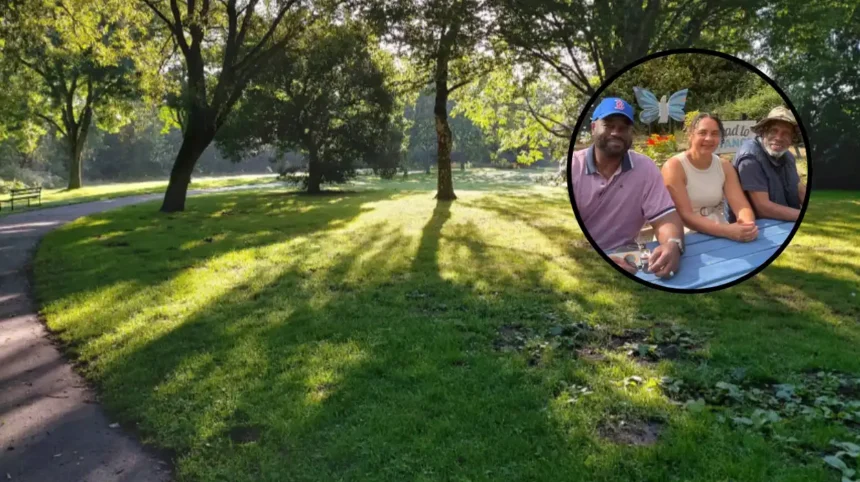
- A new memorial garden has opened in Pype Hayes Park, Birmingham, serving as a tranquil sanctuary to support families and loved ones of individuals killed or injured in road collisions.
- The community space was developed by the community interest company Road to Change in active partnership with Birmingham Children’s Trust.
- Young people participating in driving-related offences played a hands-on role in constructing the garden as part of a reparative justice initiative.
- Organisers intend for the garden to offer a peaceful space for bereaved local residents while giving young offenders an opportunity to understand the real-world consequences of dangerous driving.
- Earl Facey from the Youth Justice Service noted that working on the site encourages young offenders to pause, reflect, and engage in meaningful dialogue regarding their behaviour and future goals.
- The Youth Justice Service was first approached five years ago about collaborating on the project to deliver meaningful reparation work within the community.
- The garden features a dedicated wall displaying victims’ names alongside intricate mosaics handcrafted by the young people involved in the scheme.
- Sarah Downer from the Youth Justice Service highlighted the emotional turning point when participating youths recognised the sheer scale of lives lost to car crime.
Birmingham (Birmingham Express) July 24, 2026 — A serene new memorial garden has officially opened its gates in Birmingham, offering a dedicated sanctuary designed to support families and loved ones affected by the trauma of road collisions. Created within the grounds of Pype Hayes Park, the project represents a unique collaboration aimed at community healing and restorative justice. As reported by the BBC, the initiative was brought to life by the community interest company Road to Change in partnership with Birmingham Children’s Trust, incorporating the hands-on labour of young individuals who have been involved in driving-related offences.
Why Was This Memorial Garden Created in Birmingham?
The project was envisioned primarily as a dual-purpose space. For bereaved local residents and families mourning relatives lost on the roads, it provides a quiet, reflective environment. Simultaneously, for the young offenders helping to build it, the site functions as an educational ground. According to project organisers, it serves as a place where these youths can learn first-hand about the heavy consequences that dangerous or reckless driving actions can inflict upon innocent people and the wider community.
The physical design of the garden incorporates deeply personal and artistic elements meant to honour those affected by traffic tragedies. It features a dedicated wall inscribed with the names of victims, complemented by carefully crafted mosaics built by the young people themselves.
Explore More Local Birmingham News
Driver Fined for Illegal Parking on Zig-Zag Lines in Yardley, Birmingham 2026
Birmingham High-Rise Boom: One Eastside Tower, Birmingham 2026
How Does the Project Impact Young Offenders?
Involvement in the construction of the memorial is structured as a form of meaningful reparation work, an idea first broached to the Youth Justice Service half a decade ago. Earl Facey, a representative from the Youth Justice Service who worked closely on the project, observed a profound shift in attitude among the participants during the construction process.
As reported by the BBC, Earl Facey stated that working on the garden has given many young offenders a chance to stop and think about their actions:
“I think it gives them a period of time to reflect. We will be visiting the site two or three times a week.”
Facey further elaborated on the structured mentoring taking place on-site, explaining:
“While being here we will have conversations with regards to their behaviour, future ambitions, [and] any support they need for the future. So it will be giving them a lot of opportunity to make a difference and better choices.”
What Emotional Impact Did the Project Have on Participants?
The weight of the project became tangibly real for the young participants as they worked on the memorial elements, particularly when processing the names inscribed on the remembrance wall.
Detailing the psychological and emotional shifts observed among the youths, Sarah Downer from the Youth Justice Service shared her perspective with the BBC, stating:
“It was particularly poignant when our young person realised that these were all the people that had been lost to car crime.”
Emphasising the therapeutic value of the park’s environment, Downer added:
“It’s quite serene here in the park, and that offers our young people a time out and a space to reflect.”
Through this innovative fusion of community restoration and offender rehabilitation, local authorities and community leaders hope the Pype Hayes Park memorial will foster lasting behavioral change while offering solace to grieving families across the region.