Key Points
- Istvan Kovacs, 49, and Melinda Hegedus, 31, from Birmingham appeared at Wolverhampton Crown Court on Monday, May 18, 2026
- The couple spoke through a Hungarian translator to confirm their names during the hearing
- Kovacs faces charges of causing a person to engage in sexual activity without consent and false imprisonment in Sandwell
- Both defendants face allegations of conspiracy to traffic persons into the UK for sexual exploitation
- Additional charges include conspiracy to control prostitution for gain and concealing property
- The alleged sex trafficking conspiracy operated in the Midlands region
- Both defendants reside at Wood Lane, Handsworth, Birmingham
- The case involves UK sex trafficking allegations rather than international trafficking alone
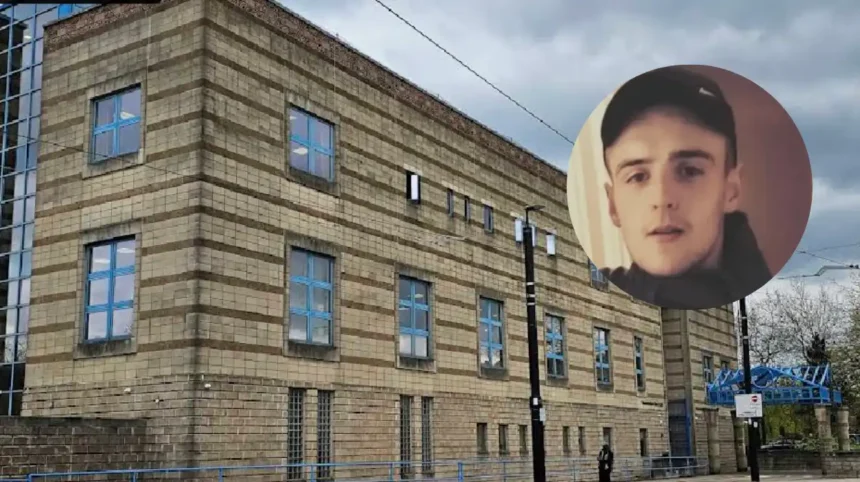
Birmingham(Birmingham Express) May 18, 2026 – A man and woman from Birmingham appeared in court yesterday over serious allegations of UK sex trafficking, marking another significant development in the ongoing fight against human trafficking in the Midlands. Istvan Kovacs, aged 49, and Melinda Hegedus, aged 31, spoke through a Hungarian translator to confirm their names at the hearing at Wolverhampton Crown Court on Monday, May 18, 2026, as reported by Deborah Hardiman, senior reporter at Express & Star.
- Key Points
- Why Are These Sex Trafficking Charges Particularly Serious Under UK Law?
- Where Did the Alleged Sex Trafficking Conspiracy Operate Across the Midlands?
- What Does This Court Appearance Mean for the Future of This Case?
- Background of the Particular Development
- How Will This Sex Trafficking Development Affect Birmingham and Midlands Communities?
The couple faces multiple serious charges related to an alleged sex trafficking conspiracy that reportedly operated across the Midlands region. According to the court proceedings documented by Deborah Hardiman of Express & Star, Kovacs of Wood Lane, Handsworth, Birmingham faces allegations of causing a person to engage in sexual activity without consent and false imprisonment, allegedly committed in Sandwell. Both Kovacs and Hegedus, who also resides at Wood Lane, face allegations of conspiracy to traffic persons into the UK for the purpose of sexual exploitation, conspiracy to control prostitution for gain, and concealing property.
The hearing took place at Wolverhampton Combined Court, where the defendants appeared before the court to address the charges brought against them. As reported by Deborah Hardiman of Express & Star, the pair spoke through a Hungarian translator during the proceedings, confirming that both defendants require language assistance during the legal process. This detail suggests the defendants may be Hungarian nationals or Hungarian speakers facing charges in the UK judicial system.
Why Are These Sex Trafficking Charges Particularly Serious Under UK Law?
The charges brought against Kovacs and Hegedus represent some of the most serious offences under UK modern slavery and trafficking legislation. As outlined in the court documents reported by Deborah Hardiman of Express & Star, the conspiracy to traffic persons into the UK for sexual exploitation carries severe potential penalties under the Modern Slavery Act 2015. This legislation was specifically designed to combat human trafficking and provide stronger protections for victims.
The charge of causing a person to engage in sexual activity without consent is particularly grave, as it directly addresses non-consensual sexual activity, which forms the core of sex trafficking offences. According to the charges detailed by Deborah Hardiman of Express & Star, this allegation specifically relates to incidents allegedly committed in Sandwell, West Midlands. The false imprisonment charge complements this by suggesting the victims may have been held against their will, a common characteristic of trafficking operations where victims are controlled through confinement.
The conspiracy to control prostitution for gain charge indicates that the alleged operation was not merely aboutindividual exploitation but involved a structured criminal enterprise designed to generate financial profit from the sexual exploitation of trafficked persons. This organisational aspect often results in more severe sentencing guidelines under UK law, as it demonstrates premeditation and criminal enterprise rather than opportunistic offences.
Where Did the Alleged Sex Trafficking Conspiracy Operate Across the Midlands?
The geographical scope of the alleged criminal activity extends across multiple areas in the West Midlands region. As reported by Deborah Hardiman of Express & Star, the defendants reside at Wood Lane, Handsworth, Birmingham, which serves as their known address. However, the alleged offences span multiple locations within the region.
The false imprisonment and non-consensual sexual activity allegations specifically relate to incidents allegedly committed in Sandwell, which is a metropolitan borough in the West Midlands adjacent to Birmingham. This geographical detail is significant for investigative purposes, as it suggests the trafficking operation may have been centred in or around the Sandwell area while the defendants maintained their residence in Handsworth, Birmingham.
The conspiracy charges related to trafficking persons into the UK for sexual exploitation suggest the operation may have had international dimensions, potentially involving the transportation of victims from Hungary or other countries into the United Kingdom. The requirement for Hungarian translators during the court proceedings supports the possibility that the defendants have connections to Hungary, which could be relevant to how victims were brought into the country.
The broader Midlands region designation in the conspiracy allegations indicates that the operation may have involved activities across multiple local authority areas beyond just Birmingham and Sandwell, potentially including Wolverhampton, Walsall, Dudley, and Coventry, all of which fall within the West Midlands county served by Wolverhampton Crown Court.
What Does This Court Appearance Mean for the Future of This Case?
Background of the Particular Development
This court appearance represents the latest development in what appears to be a significant human trafficking investigation in the West Midlands. The case involves Istvan Kovacs, 49, and Melinda Hegedus, 31, both from Wood Lane, Handsworth, Birmingham, who appeared at Wolverhampton Crown Court on Monday, May 18, 2026. The hearing was conducted with a Hungarian translator present, indicating the defendants’ language requirements.
The charges stem from an alleged sex trafficking conspiracy operating in the Midlands region. Kovacs faces individual charges of causing a person to engage in sexual activity without consent and false imprisonment, allegedly committed in Sandwell. Both defendants face joint charges of conspiracy to traffic persons into the UK for sexual exploitation, conspiracy to control prostitution for gain, and concealing property. This case was reported by Deborah Hardiman, senior reporter at Express & Star, published on May 19, 2026.
The Wolverhampton Combined Court has jurisdiction over serious criminal offences in the West Midlands, including modern slavery and human trafficking cases. The choice of this venue suggests the case involves significant criminal activity spanning multiple jurisdictions within the region. UK sex trafficking cases of this nature typically involve extensive investigation by specialised police units, including the National Crime Agency’s Modern Slavery and Human Trafficking Unit working alongside local police forces.
How Will This Sex Trafficking Development Affect Birmingham and Midlands Communities?
This development will significantly affect multiple audiences across Birmingham and the wider Midlands region. For vulnerable individuals in the community, particularly those from Eastern European backgrounds, this case highlights the ongoing reality of human trafficking operations in the UK and the continued law enforcement focus on detecting and prosecuting such crimes.
For law enforcement agencies in the West Midlands, this prosecution demonstrates ongoing commitment to combating modern slavery and sex trafficking. The multi-charged approach suggests comprehensive investigation work by police forces, potentially involving the West Midlands Police, Sandwell Council’s anti-trafficking units, and national agencies. This case may encourage other victims to come forward, knowing that authorities are actively pursuing traffickers.
The Birmingham and Sandwell communities will experience increased awareness about sex trafficking indicators. Local support organisations, including those providing assistance to trafficking victims, may see increased referrals or inquiries. Community groups working with Eastern European communities may need to provide additional information about victims’ rights and support services.
For the judicial system, this case represents another complex modern slavery prosecution requiring specialised handling. Wolverhampton Crown Court will need to manage proceedings involving international elements, translator requirements, and sensitive victim testimony. The case outcomes could establish precedents for similar trafficking prosecutions in the region.
Victims of sex trafficking across the Midlands may feel encouraged by this prosecution, potentially leading to more reports of trafficking activity. Support services should prepare for increased demand for victim assistance, including counselling, legal aid, andsafe accommodation.
The broader UK anti-trafficking community will watch this case closely as it involves multiple serious charges and international elements. Successful prosecution could strengthen efforts to combat sex trafficking networks operating across the UK and demonstrate the effectiveness of current legislation against modern slavery.